
Shopping for an engagement ring should feel exciting, not overwhelming. But with so many options out there, it's easy to get lost in the details. If you've been looking into a lab grown diamond engagement ring, you're already on the right track, and honestly, once you understand what they offer, it's hard to look elsewhere.
Here's everything you actually need to know before you buy.
Why So Many Couples Are Choosing Lab Grown Diamonds
Let's start with the obvious question: are lab grown diamonds real diamonds? Yes, completely. A lab created diamond engagement ring contains a stone that's chemically, physically, and optically identical to a mined diamond. The only difference is where it came from – a laboratory instead of the ground.
What that means for you, practically, is that you get the same brilliance and hardness, but often at a significantly lower price. That budget difference can go toward a better cut, a bigger carat, a more elaborate setting, or, honestly, toward the wedding itself.
Beyond the cost, a lot of couples simply feel better choosing a lab made diamond engagement ring. There's no mining involved, which sidesteps the ethical and environmental concerns that have followed the natural diamond industry for decades. For couples who care about where their money goes, that matters.
Start with the Diamond Itself
Before you fall in love with a setting, understand the stone. The four Cs, cut, colour, clarity, and carat, still apply to lab grown diamonds exactly as they do to mined ones.
Cut is the most important one. It determines how much light the diamond reflects, which is what gives it that signature sparkle. A well-cut stone in a smaller size will outshine a poorly cut one that's twice as big. In 2026, round brilliants are still the gold standard, but oval and elongated cuts have surged in popularity for their modern, finger-lengthening look.
The colour comes down to personal preference and budget. Most people can't tell the difference between a G and a D colour grade once the ring is on a finger, and you'll save considerably by not chasing the very top of the scale.
Clarity works the same way. Unless the inclusions are visible to the naked eye, they typically don't affect how beautiful the ring looks in real life.
Carat is where lab grown diamonds really shine (no pun intended). Because they cost significantly less per carat than mined diamonds, many buyers find they can go for a full carat or more, beyond what their budget would have allowed otherwise.
Pick a Style That Actually Suits the Person Wearing It
This is where a lot of people go wrong: they pick the ring they personally love rather than the one their partner would reach for every morning without thinking. Here are the styles worth knowing:
Solitaire rings are the classic for a reason. One diamond, clean lines, nothing to distract from the stone. They work with everything, age beautifully, and require almost no maintenance. If your partner gravitates toward simple, elegant jewellery, this style is probably the one.
Halo rings surround the centrepiece with smaller diamonds, making the whole thing look larger and more dramatic. They're glamorous without being over-the-top, and they work especially well with cushion and oval cuts.
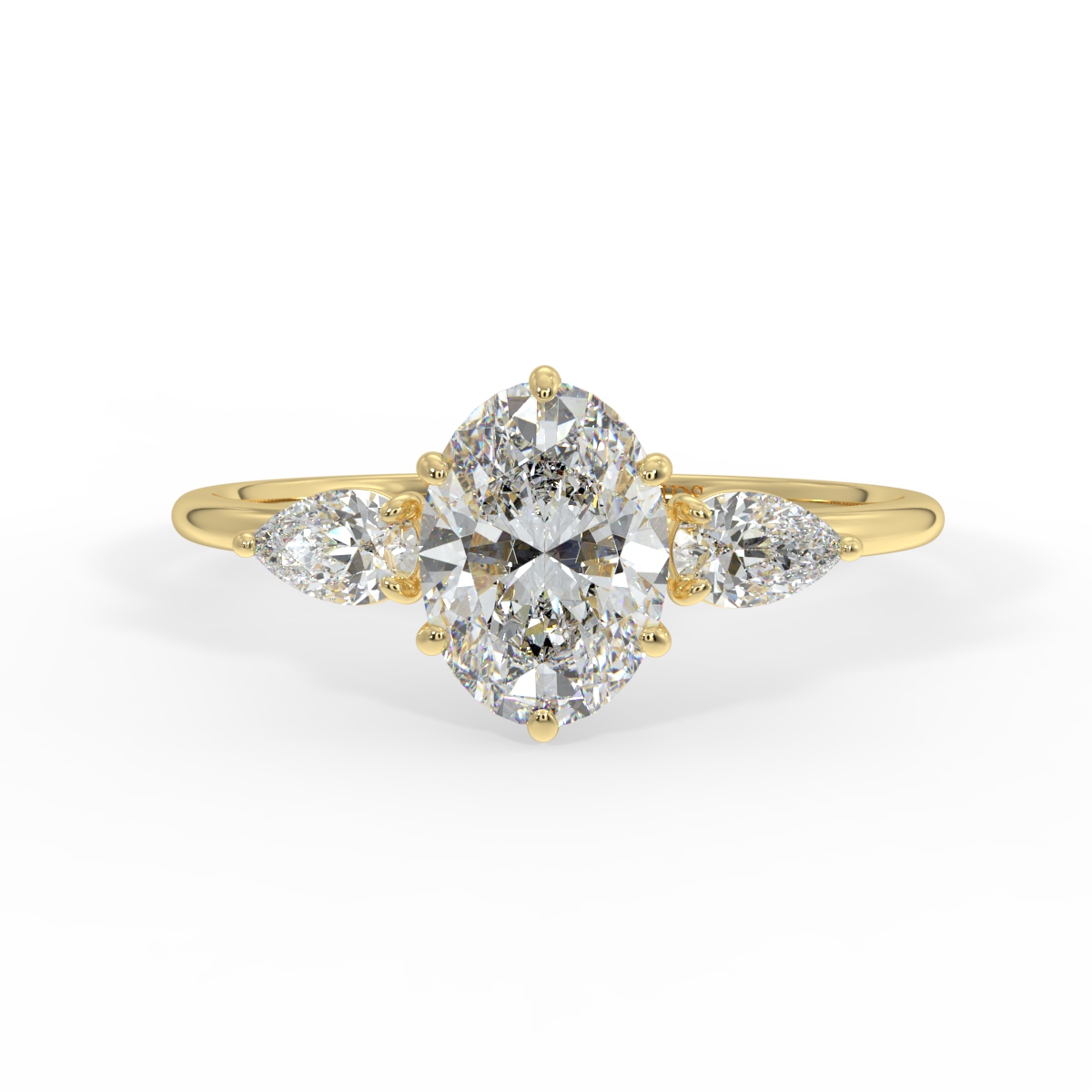
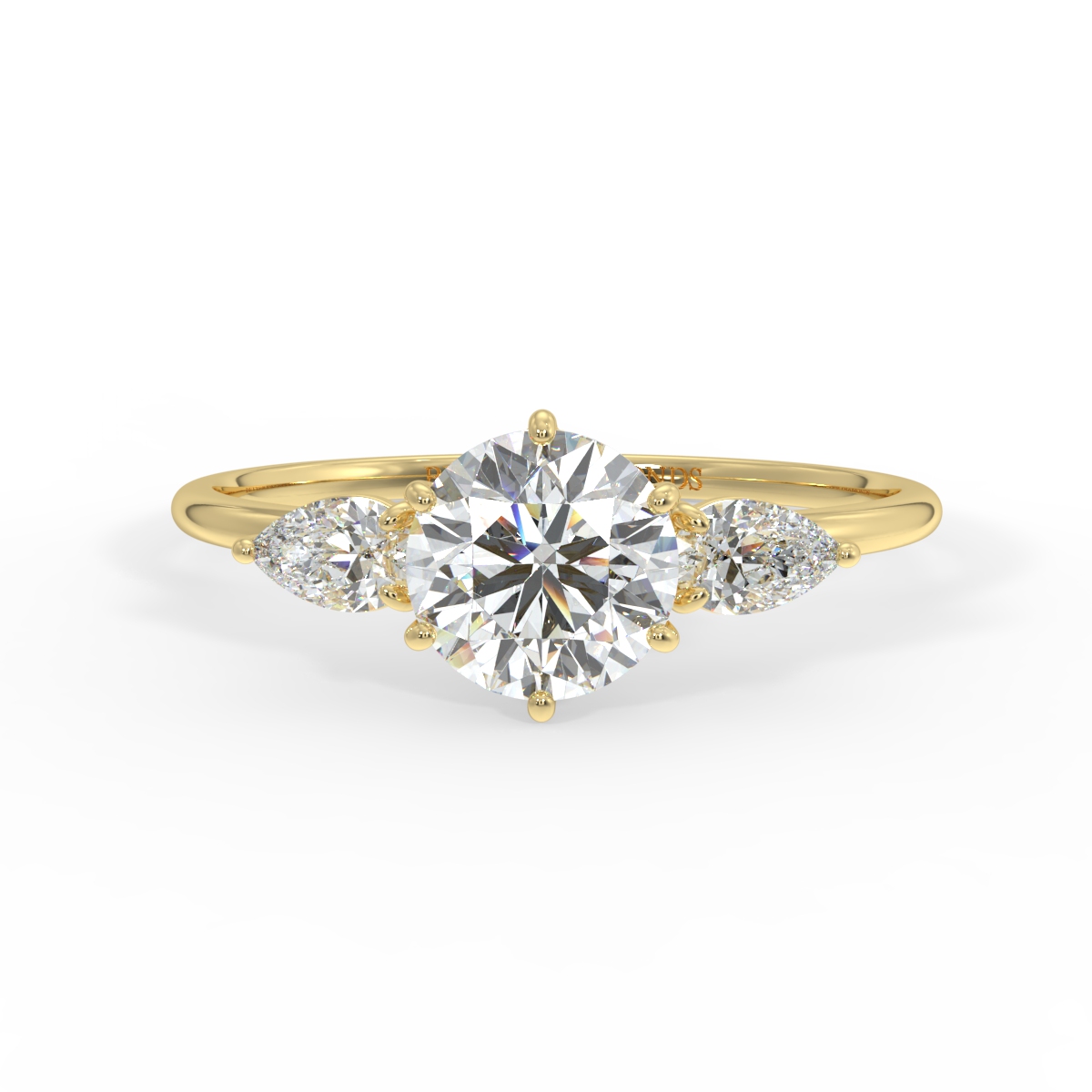
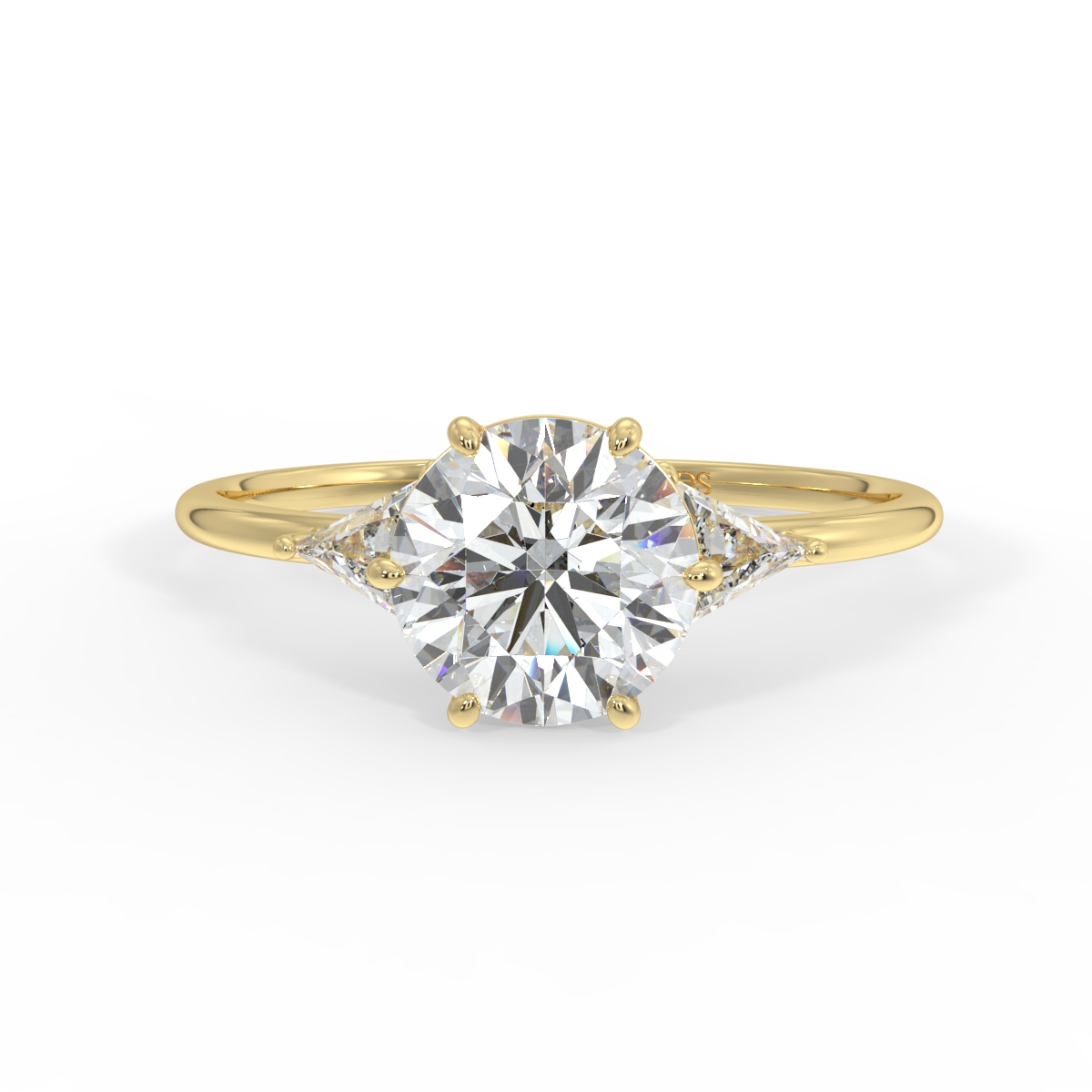
Three stone rings have real emotional weight; the three diamonds traditionally represent the past, present, and future of a relationship. They're sophisticated, deeply meaningful, and increasingly popular for exactly those reasons.
Eternity rings — with diamonds all the way around the band, are sometimes chosen as engagement rings by people who want something unconventional and continuous-looking. They pair beautifully with a simple wedding band.
Promise rings are a quieter, more understated option that younger couples often choose before a formal engagement. Delicate, wearable, and still meaningful.
And if your partner isn't the understated type? Cocktail rings, larger stones, bolder settings, and statement designs can absolutely work as engagement rings. It's 2026; there are no rules.
The Metal Makes a Bigger Difference Than Most People Expect
White gold and platinum are the most popular choices for a lab grown diamond engagement ring because they let the diamond's natural colour do the talking. They're also versatile enough to match most jewellery.
Yellow gold has made a real comeback, especially with vintage-inspired settings and cushion-cut stones. And rose gold, while no longer brand new, still reads as warm and romantic in a way that white metals don't.
The practical tip: look at what your partner already wears. If everything in their jewellery box is silver-toned, don't buy them a yellow-gold ring, no matter how beautiful you think it is.
Think About How They'll Actually Wear It
An engagement ring gets worn every single day. That's different from a necklace they take off before bed or earrings they save for going out.
If your partner is active, works with their hands, or simply prefers things low-maintenance, a solitaire or bezel-set ring is going to hold up much better than an intricate pavé or halo that collects soap and dirt in the prongs. Beautiful is great; practical and beautiful is better.
Always Buy Certified.
This one's non-negotiable. Any trustworthy man made diamond engagement ring should come with certification from IGI or GIA, both of which grade lab grown diamonds with the same rigour they apply to mined ones.
A certificate isn't just a piece of paper. It confirms exactly what you're getting: the actual cut grade, colour, clarity, and carat weight, independently verified. If a jeweller can't provide one, that's your cue to walk away.
Set a Budget That Makes Sense for You
Ignore the old rule about spending two months' salary. That figure was invented by a diamond company in the 1980s and has no bearing on what an engagement ring should actually cost.
What lab grown diamonds do offer is genuine flexibility. A budget that would have bought a 0.7 ct mined diamond might get you a 1.2 ct lab created diamond engagement ring with a better cut grade. Focus on what feels meaningful and financially comfortable, not on hitting an arbitrary number.
Where You Buy Matters
Whether you shop in-store or online, choose a jeweller who's transparent about pricing, offers certified diamonds, and has real customer reviews you can read. Customisation options are a big plus; being able to choose your exact stone, setting, and metal means you end up with something that actually feels personal rather than off-the-shelf.
Closing Thought
The ring is a symbol, but the choice behind it says something too. Choosing a lab grown diamond engagement ring in 2026, whether it's a clean solitaire, a sparkly halo, a meaningful three stone, or something completely your own, reflects the way a lot of modern couples think: intentionally, ethically, and without paying for things that don't matter to them.
Get the certification right, find a style that fits the person, and don't overthink the rest. The best ring is the one they'll want to wear every day for the rest of their life.
FAQs
1. How do I choose the best lab grown diamond Engagement Ring for everyday wear?
Choose a ring with a durable setting like Solitaire Rings or bezel settings, along with metals like platinum or white gold for long-lasting comfort and durability.
2. Which diamond shape looks biggest in a lab grown diamond Engagement Ring?
Oval, pear, and marquise diamonds usually appear larger than round diamonds of the same carat weight because of their elongated shape and surface area.
3. Are lab created diamond Engagement Rings a good choice for proposals in 2026?
Yes, modern couples prefer lab-grown diamonds because they offer exceptional sparkle, better value, ethical sourcing, and trendy contemporary designs.
4. What is the difference between Halo and Solitaire Rings?
Halo rings feature smaller diamonds around the centre stone for extra sparkle, while Solitaire Rings focus on a single centre diamond with a timeless and minimal look.
5. Can a lab made diamond Engagement Ring be customised according to personal style?
Absolutely. You can customise the diamond shape, carat size, metal colour, and settings like Three Stone Rings or Cocktail Rings to create a unique engagement ring.