
If you have started shopping for a lab created engagement ring, the first question that probably hit you is simple. Why does one ring cost 40,000 rupees and another cost 4 lakhs, when both say "lab grown diamond" on the tag? It is a fair question, and honestly, most jewellers do not explain it well.
The truth is that a lab made engagement ring is priced almost exactly the way a natural diamond ring is priced. The diamond being grown in a lab instead of mined from the earth does not remove the factors that decide value. What it does is bring the overall price down significantly, while keeping the same grading standards. So understanding what actually decides the cost helps you buy smart, instead of just picking whatever looks good in the display case.
Average Price Range of Lab Created Engagement Rings
Prices vary a lot depending on carat weight, diamond quality, and metal choice. Here is a general sense of what you can expect in India for a solitaire style lab created engagement ring.
| Carat Weight | Approximate Price Range (14K/18K Gold) |
|---|---|
| 0.30 - 0.50 carat | ₹25,000 - ₹55,000 |
| 0.50 - 1.00 carat | ₹55,000 - ₹1,20,000 |
| 1.00 - 1.50 carat | ₹1,20,000 - ₹2,00,000 |
| 1.50 - 2.00 carat | ₹2,00,000 - ₹3,50,000 |
| 2.00 carat and above | ₹3,50,000 onwards |
These are indicative ranges. A ring can move up or down within a carat bracket depending on cut quality, clarity, colour grade, and the setting style you choose. Platinum settings, halo designs, and pave bands will always add to the base price.
What Factors Affect the Price of a Lab Grown Engagement Ring
Carat weight. This is the most obvious one. Bigger the diamond, higher the price, though not in a straight line. Prices jump at certain carat milestones like 1 carat and 2 carat, because demand concentrates around those "round number" sizes.
Cut quality. A well cut diamond reflects light better and looks more brilliant, even at a smaller size. Excellent or ideal cut lab created diamonds cost more than good or fair cut ones, but the visual difference is worth it for an engagement ring you will wear every day.
Clarity and colour. Diamonds graded VS1 or VS2 with minimal visible inclusions, and colour grades of F to H, sit in the sweet spot most buyers choose. You do not need a flawless, colourless stone to get a ring that looks stunning. Spending extra on the highest grades often adds cost without adding visible beauty.
Metal choice. 14K gold costs less than 18K gold, and both cost less than platinum. If your budget is tight, choosing 14K gold and putting more of your budget into the diamond itself is usually the smarter trade.
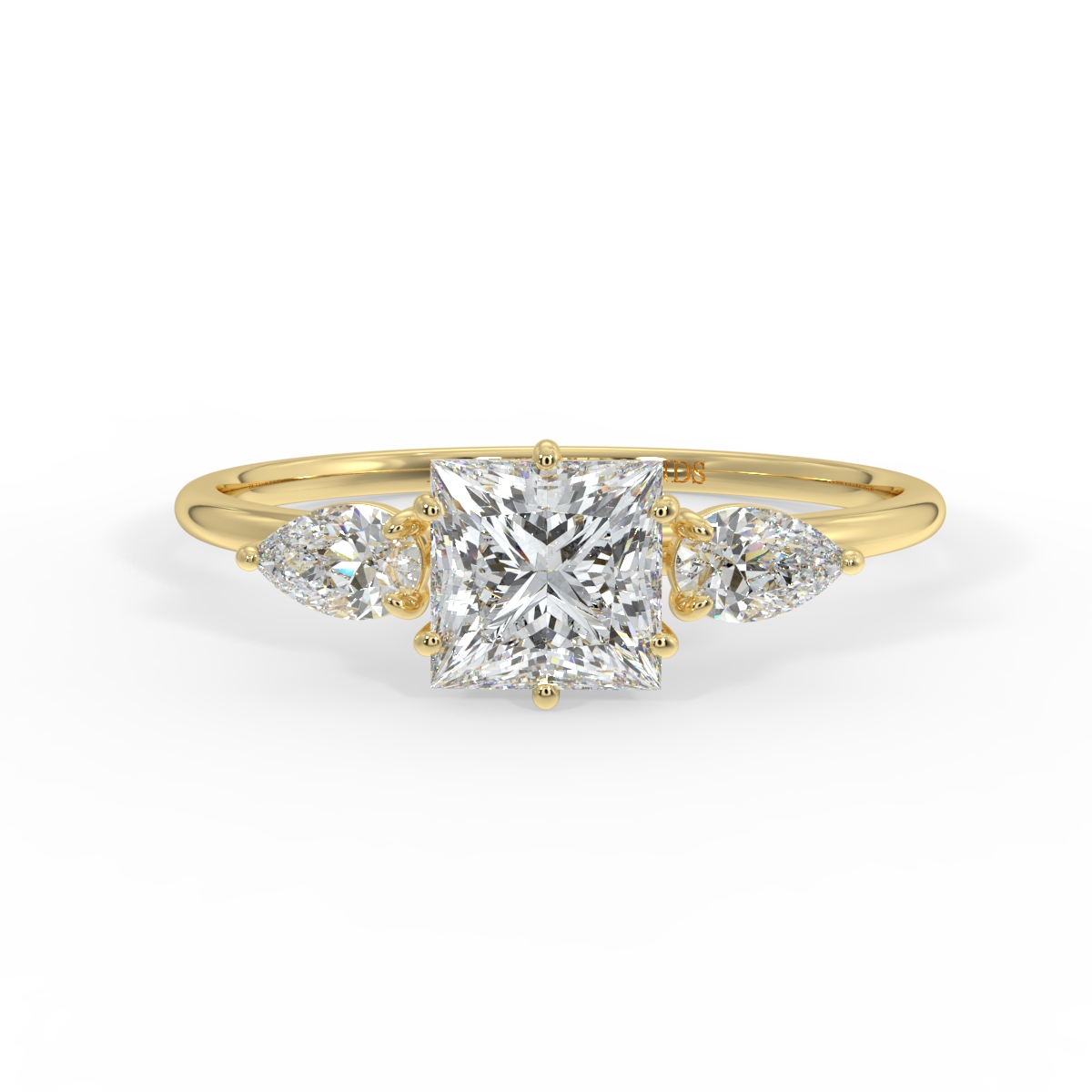
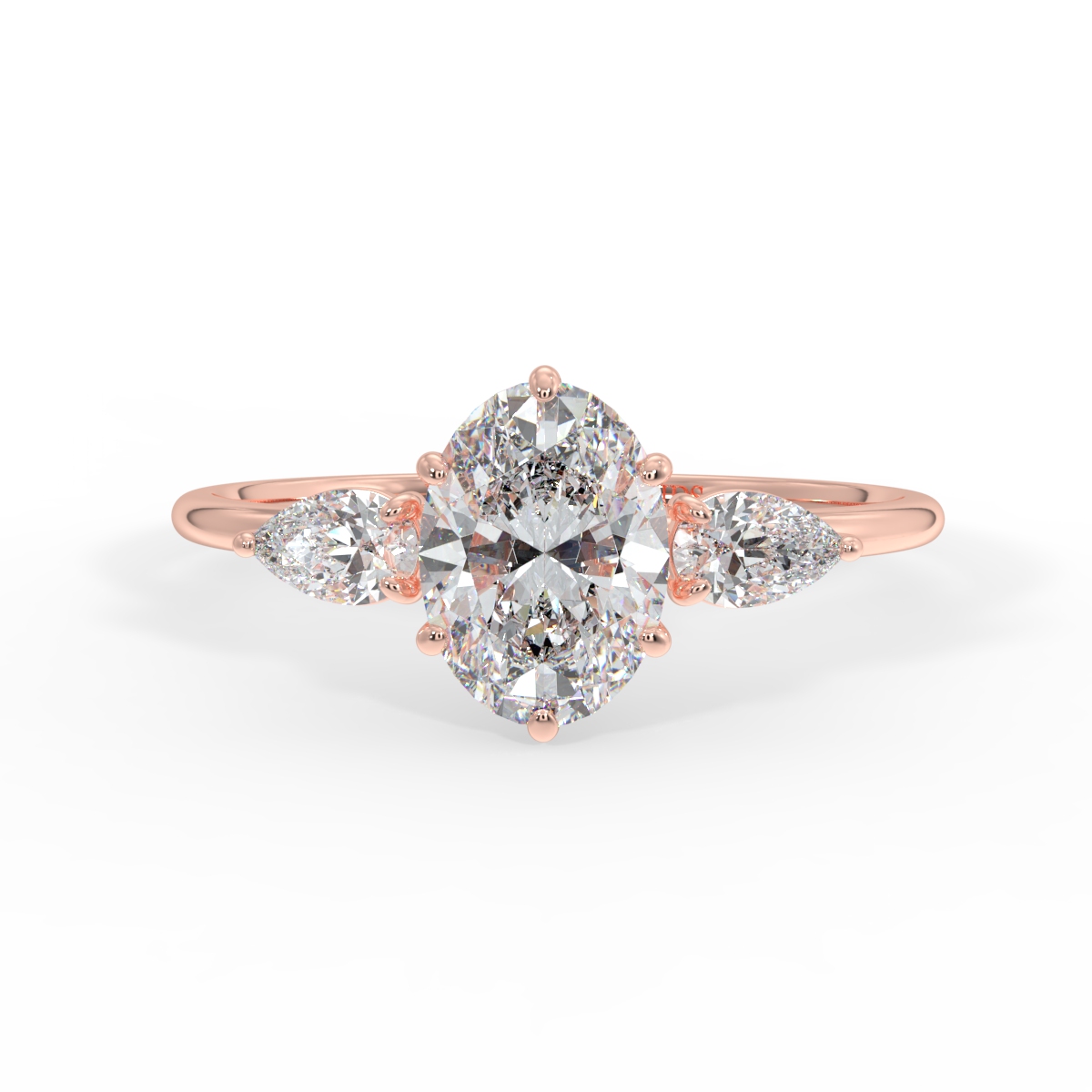
Setting and design. A simple solitaire setting is the most budget friendly. Halo settings, three stone designs, and pave bands use more metal and sometimes side stones, which adds to the final price.
Certification. Every genuine lab created diamond jewellery piece should come with a certificate from a recognised lab like IGI or GIA. This does not inflate the price much, but it is non negotiable. Never buy without one.
Lab Created vs Natural Diamond Ring: Price Difference Explained
This is where lab grown engagement rings really win on value. A lab made engagement ring typically costs 30 to 50 percent less than a natural diamond ring of the same carat, cut, clarity, and colour. Chemically and optically, the two are identical. The difference is purely in origin, one is grown in a controlled lab environment over a few weeks, the other is formed underground over billions of years and then mined.
For couples working within a defined budget, this price gap means you can either save money on the same specifications, or use the same budget to get a noticeably larger or higher quality stone than you could with a natural diamond.
Hidden Costs to Watch For
A few charges often get added on top of the diamond and metal price, and buyers do not always notice them upfront.
- Making charges. This is the labour cost for crafting the ring, usually charged as a percentage of the gold value or as a flat fee.
- Certification fee. Sometimes bundled into the price, sometimes billed separately. Always ask.
- GST. Applicable on the total invoice value as per current jewellery tax rules.
- Customisation charges. If you are asking for a custom design, expect an additional cost over standard catalogue pricing.
Ask for a clear, itemised breakdown before you finalise anything. A transparent jeweller will not hesitate to show you exactly where your money is going.
How to Get the Best Value Without Compromising Quality
You do not need to spend on the highest possible grade to get a ring that looks beautiful and lasts a lifetime. A few practical tips:
- Choose VS clarity and G to H colour range instead of chasing flawless grades. The difference is invisible to the naked eye but very visible on the price tag.
- Prioritise cut quality over carat size if you have to choose. A well cut 0.9 carat diamond can look bigger and more brilliant than a poorly cut 1 carat one.
- Consider 14K gold if you want to allocate more budget to the diamond itself.
- Always compare the price with a proper certificate in hand, never buy uncertified lab created diamond jewellery, no matter how attractive the discount looks.
- Ask about buyback and exchange policies, since good ones protect your investment over time.
At the end of the day, a lab created engagement ring lets you get real, certified, brilliant diamonds without stretching your budget to breaking point. Knowing what goes into the price means you are not just trusting the sales pitch, you are making an informed choice.
FAQ's
1. Is a lab created engagement ring cheaper than a natural diamond ring?
Yes. A lab created engagement ring typically costs 30 to 50 percent less than a natural diamond ring of the same carat, cut, clarity, and colour grade, since both are chemically and optically identical.
2. What is the average price of a 1 carat lab grown engagement ring in India?
A 1 carat lab grown engagement ring in India generally falls between ₹1,20,000 and ₹2,00,000, depending on cut quality, clarity, colour grade, and metal choice.
3. Does certification affect the price of a lab made engagement ring?
Certification from labs like IGI or GIA adds a small, usually minor cost to the ring, but it confirms authenticity and quality grading, making it an essential and non negotiable part of the price.
4. Which factor affects the price of a lab created diamond ring the most?
Carat weight has the biggest impact on price, followed closely by cut quality, since a well cut diamond reflects light better and can look larger and more brilliant even at a smaller carat size.
5. Is 14K or 18K gold better for a budget friendly lab created engagement ring?
14K gold is more budget friendly than 18K gold and is a practical choice if you want to put more of your budget toward the diamond itself, without compromising on ring durability.